

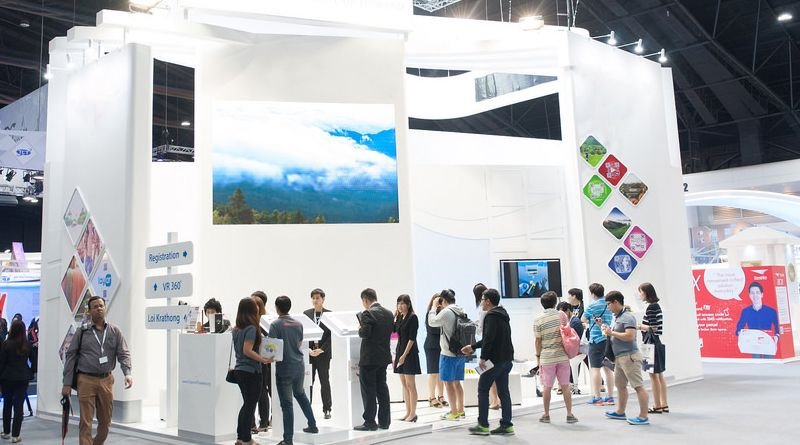
Exhibitions offer valuable opportunities to connect with audiences, but attracting and maintaining attention requires thoughtful strategy. Whether you are organizing a trade show, museum exhibit, or cultural event, visitor engagement directly impacts the success of your exhibition. Attendees today expect more than passive observation; they seek interactive experiences, meaningful conversations, and takeaways that justify their time. Understanding how to create these experiences can transform your exhibition from a standard event into a memorable occasion. With the right approach, visitors will leave with a stronger connection to your content and a reason to return.
1. Create Interactive Stations Throughout Your Space
Interactive stations serve as focal points that encourage visitors to stop, participate, and spend more time exploring your exhibition. Rather than relying solely on static displays or information panels, hands-on elements allow attendees to engage multiple senses and retain information more effectively. You might incorporate digital kiosks where visitors can explore content at their own pace, participate in virtual simulations, or access additional resources through touchscreen interfaces. Physical interactive elements, such as demonstration areas or tactile displays, also work well depending on your exhibition theme. When visitors actively participate rather than passively observe, they develop stronger connections to your content and are more likely to share their experiences with others.
2. Implement Live Demonstrations and Presentations
Scheduled live demonstrations and presentations provide structure to the visitor experience while creating moments of focused attention. You can use these sessions to highlight key aspects of your exhibition, answer common questions, and showcase expertise or creativity. Scheduling presentations at regular intervals throughout the day accommodates different visitor arrival times and ensures casual drop-ins have opportunities to witness engaging content. The presence of a gathered crowd around a demonstration often attracts additional visitors who are curious about what others are watching. Presenters should be knowledgeable, approachable, and skilled at explaining complex information in accessible language that resonates with diverse audience members.
3. Incorporate Multimedia and Storytelling Elements
Multimedia components such as videos, audio guides, and projected imagery can enhance visitor understanding and create emotional connections to your exhibition content. Storytelling is a powerful tool for making information memorable, so weaving narrative elements throughout your displays helps visitors see the human side of your subject matter. Video content works particularly well for demonstrating processes, showcasing testimonials, or providing historical context that would be difficult to convey through static materials alone. Audio components, whether background music, narrated explanations, or guided tours, appeal to different learning styles and help create an immersive atmosphere. When storytelling and multimedia work together, they transform isolated facts and objects into a cohesive narrative that draws visitors deeper into your exhibition.
4. Design Clear Navigation and Wayfinding
Visitor frustration with confusing layouts or unclear directions diminishes engagement and creates negative impressions of your exhibition. Thoughtful wayfinding design uses signage, floor markings, lighting, and spatial organization to guide visitors intuitively through your space. Exhibitors planning layouts and selecting display systems often turn to resources like https://www.moddisplays.com/ to find configurable modular solutions that support clear spatial organization across a variety of venue sizes. Clear labeling and directional cues help attendees understand the flow of the exhibition and locate specific sections without feeling lost. You should test your wayfinding systems with a small group before opening day to identify confusing areas or bottlenecks. When visitors can navigate easily, they spend more time exploring and engaging rather than searching for exits or struggling to understand the layout.
5. Facilitate Meaningful Staff and Attendee Interactions
The quality of interactions between your staff and visitors significantly influences overall engagement and satisfaction. Training staff members to be approachable, knowledgeable, and enthusiastic creates environments where visitors feel comfortable asking questions and holding conversations. You should position staff strategically throughout the exhibition rather than clustering them in one area, ensuring that assistance is available wherever visitors are exploring. Encouraging staff to initiate conversations, ask about visitor interests, and personalize explanations based on individual backgrounds makes interactions feel genuine. These human connections often become the most memorable aspects of an exhibition and can inspire visitors to return for future events.
6. Provide Opportunities for Social Sharing and Community Building
Modern visitors often want to document and share their experiences, so incorporating shareable moments enhances engagement both during and after the exhibition. Designated photo opportunities, visually striking displays, or interactive elements that produce unique results encourage visitors to capture and post content on social media. You might create a specific hashtag for the exhibition that appears in signage and printed materials, making it easy for visitors to tag their photos and contribute to a broader community conversation. A guest book or feedback station, whether physical or digital, gives visitors a voice and helps them feel invested in the exhibition’s success. When visitors become active participants in promoting the exhibition, their engagement extends far beyond the physical space and reaches their personal networks.
7. Gather and Act on Visitor Feedback
Systematic feedback collection provides invaluable insights into what engaged visitors, what fell flat, and how to improve future exhibitions. You can gather feedback through brief surveys, comment cards, digital polls, or casual conversations with staff members who observe visitor behavior and reactions. Analyzing this feedback reveals patterns about which displays, presentations, and interactive elements generated the most enthusiasm or confusion. According to Exhibitor Magazine, engaging visitors through well-designed feedback systems is a recognized best practice for strengthening long-term exhibition performance. Acting on visitor input for future exhibitions demonstrates a commitment to continuous improvement and builds loyalty among repeat attendees.
Conclusion
Improving audience engagement at exhibitions requires intentional design choices that treat visitors as active participants rather than passive observers. The seven strategies outlined here, from creating interactive stations and live presentations to facilitating meaningful staff interactions and gathering feedback, work together to create experiences that resonate with diverse audiences. Each exhibition presents opportunities to learn what captures attention, inspires curiosity, and creates lasting impressions. By implementing these approaches and remaining responsive to visitor needs, you position your exhibitions for consistent success. Exhibitions that prioritize engagement foster deeper connections between your organization and your audience, resulting in more impactful events and stronger community relationships over time.
