

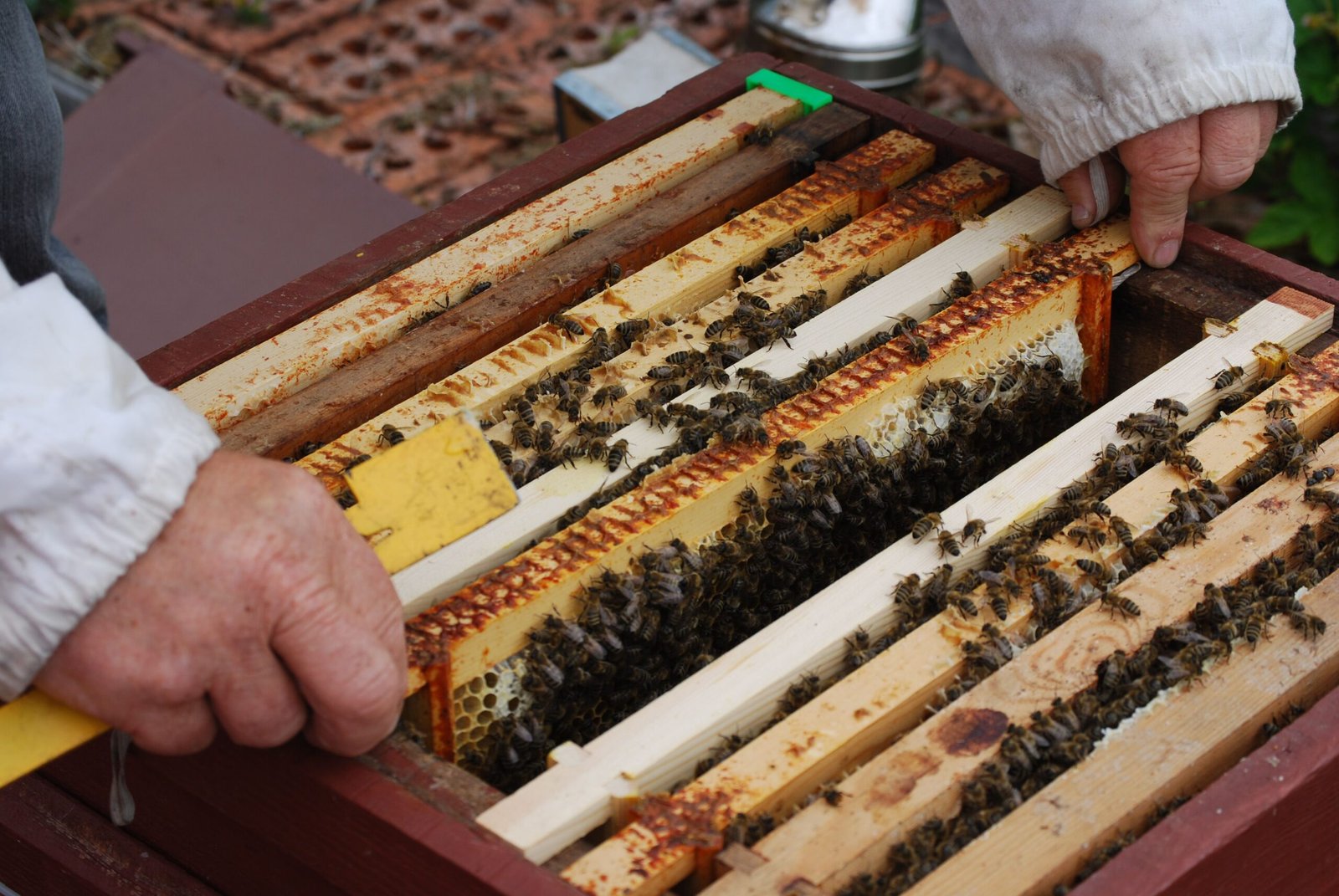
Bee populations face ongoing challenges from habitat loss, pests, disease, and environmental stressors. At the same time, the growing demand for honey, beeswax products, and pollination services has created opportunities for aspiring beekeepers to build profitable businesses while contributing to pollinator conservation. With the right strategy, it is possible to support healthy bee populations and generate meaningful income from beekeeping.
1. Understand the Business Potential of Beekeeping
When most people think about beekeeping, they think about honey. While honey can be a valuable product, it is only one of several potential revenue streams available to beekeepers.
Common bee-related products include:
- Raw honey
- Beeswax
- Lip balms and salves
- Beeswax candles
- Bee pollen
- Propolis
- Royal jelly
In addition to product sales, many commercial beekeepers generate revenue through pollination services. Farmers often pay beekeepers to place hives near crops that depend on pollinators, creating an additional source of income that does not rely exclusively on honey production.
Researching local demand before launching your operation can help identify which products are most likely to succeed in your area.
2. Start Small and Build Experience
One of the most common mistakes new beekeepers make is attempting to scale too quickly. Beekeeping requires knowledge, observation, and consistent colony management.
For beginners, starting with two to five hives allows you to:
- Learn bee behavior
- Practice hive inspections
- Monitor colony health
- Gain harvesting experience
- Build confidence gradually
Starting with multiple hives also provides an advantage if one colony struggles, since the others can serve as a comparison point when evaluating hive conditions.
Many successful commercial beekeepers began with only a few colonies and expanded their operations gradually over several years as their skills improved.
3. Focus on Healthy Colonies First
Profitable beekeeping depends on strong and healthy colonies. A struggling hive produces less honey, provides weaker pollination services, and requires more intervention.
Key priorities should include:
- Monitoring for varroa mites
- Preventing disease outbreaks
- Ensuring adequate nutrition
- Providing suitable hive locations
- Replacing failing queens when necessary
Strong colony management not only supports bee conservation but also directly improves profitability through higher honey production and stronger pollination performance.
Healthy bees are the foundation upon which every successful beekeeping business is built.
4. Develop Multiple Revenue Streams
Relying on a single source of income can create financial challenges when weather conditions, nectar flows, or market demand fluctuate.
Diversification helps create stability.
Potential revenue streams include:
Honey Sales
Local raw honey often commands premium prices because consumers value unprocessed, locally produced food products.
Beeswax Products
Beeswax can be transformed into:
- Candles
- Soaps
- Lotions
- Lip balms
- Furniture polish
Value-added products frequently generate higher profit margins than raw beeswax alone.
Pollination Services
Many fruit, vegetable, and nut producers rent bee colonies during bloom periods. Pollination contracts can provide a reliable source of seasonal income.
Bee Sales
Experienced beekeepers may eventually sell:
- Queen bees
- Nucleus colonies (nucs)
- Bee packages
These markets can become significant revenue sources once colony numbers increase.
5. Market Your Products Effectively
Consumers increasingly seek local, sustainable, and environmentally responsible products. This trend works in favor of beekeepers who can effectively communicate their story.
Successful marketing strategies often include:
- Farmers markets
- Local retail partnerships
- Community events
- Social media marketing
- Online stores
- Educational workshops
Customers are often willing to pay premium prices when they understand that their purchase supports local pollinator conservation and sustainable agriculture.
Sharing photos and updates from your apiary can help build trust and create stronger customer relationships.
6. Invest in Efficiency as You Grow
As hive numbers increase, investing in quality equipment becomes increasingly important. Time-saving tools help improve productivity while allowing you to maintain a high standard of colony care.
For honey harvesting, many expanding operations rely on a honey extractor to efficiently remove honey from frames while preserving the wax comb. Because the comb can be reused, colonies spend less energy rebuilding and more energy gathering nectar, which can increase future production.
Investing strategically in extraction, processing, storage, and bottling equipment helps increase efficiency while maintaining product quality.
7. Support Pollinator-Friendly Habitats
Saving the bees involves more than managing hives. Creating and protecting pollinator habitats benefits both managed honey bees and native pollinators.
Consider:
- Planting native flowering species
- Reducing pesticide use
- Providing clean water sources
- Establishing pollinator gardens
- Encouraging community pollinator projects
A healthier local environment supports stronger colonies and contributes to broader conservation efforts.
Conclusion
Saving the bees and making a profit are not competing goals. In fact, they often go hand in hand. By focusing on healthy colonies, developing multiple revenue streams, investing in efficient equipment, and promoting pollinator-friendly practices, beekeepers can create businesses that are both environmentally beneficial and financially sustainable.
Whether you start with two hives or twenty, a thoughtful approach to beekeeping can provide fresh honey, valuable products, meaningful income, and a direct role in protecting one of the world’s most important pollinators.
