

Acamento is a curious word that has appeared more frequently across blogs, design articles, construction discussions, and digital-content websites in 2026. In most cases, people use it to describe the final stage of improving, polishing, or refining something, but there is an important detail many articles miss: “acamento” is not a widely standardized English technical term. Its meaning appears to be closely connected with the Portuguese word “acabamento”, which means a finish, finishing work, or the final touch that completes something. Because the shorter spelling “acamento” now appears in several different online contexts, understanding what it actually means requires looking at both its linguistic roots and the way people currently use the term.
Quick Overview of Acamento
| Detail | Information |
|---|---|
| Term | Acamento |
| Most Common Meaning Online | Finishing, refinement, or final improvement |
| Closely Related Word | Portuguese “acabamento” |
| Established English Word? | Not widely standardized |
| Main Areas of Use | Construction, design, furniture, craftsmanship, manufacturing |
| Broader Modern Use | Creative work, digital design, software and workflows |
| Main Goal | Turn something functional into something polished |
| Common Techniques | Sanding, polishing, coating, painting, sealing and detailing |
| Important Quality | Attention to small details |
| Digital Meaning | Final checking and refinement before publishing or launch |
| Is It a Specific Software Platform? | No single verified platform is clearly established |
| Key Idea | Finishing something well, not merely finishing it |
What Does Acamento Mean?
In simple words, acamento means giving something its final touch.
Imagine someone building a wooden table.
They cut the wood.
They join the pieces.
The table can now stand.
Technically, the main construction work is finished.
But it may still have rough edges.
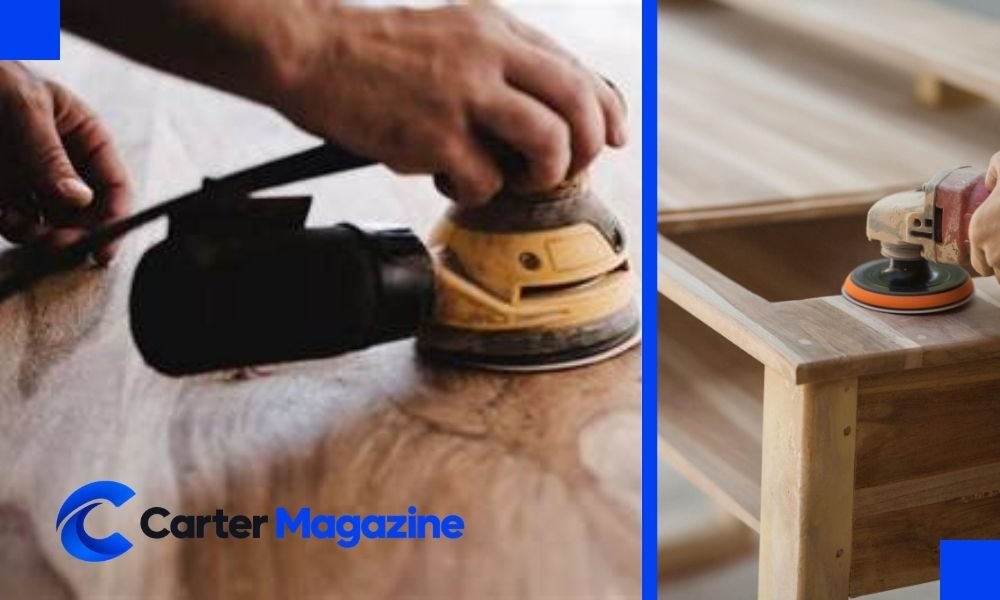
The surface may need sanding.
It may need oil, stain, varnish, or polish.
Small gaps might need correcting.
Those final steps turn a basic table into something that looks and feels complete.
That is the idea now commonly described online as acamento.
Recent articles using the term repeatedly connect it with finishing, detailing, refinement, surface treatment, and quality improvement. However, they do not all use the word in exactly the same way.
Is Acamento a Real Word?
This is where things become interesting.
“Acamento” does not appear to be a standard English technical term with one universally accepted definition.
It also should not automatically be treated as the normal Portuguese word for finishing.
The established Portuguese word is acabamento.
Cambridge’s Portuguese-English dictionary defines acabamento in contexts including the end of work, finishing in architecture, and the final touch such as paint or polish that makes work complete.
Some online writers therefore believe “acamento” is simply:
- A shortened form of acabamento
- A misspelling that became widely repeated
- A modern keyword inspired by the Portuguese term
- A broader internet concept built around finishing and refinement
There is not enough evidence to say that it has become an official technical word in English.
That distinction matters.
Acamento vs Acabamento: What Is the Difference?
The safest way to understand the difference is simple.
Acabamento is an established Portuguese word.
Acamento is a newer or non-standard form appearing online.
Cambridge translates acabamento as “finish” or “finishing,” particularly when discussing the final stage of a building project or the last treatment applied to something.
For example, a Portuguese speaker might use acabamento when discussing:
A painted wall.
A polished wooden surface.
The final fittings inside a building.
The appearance of a finished product.
The smooth coating on furniture.
“Acamento,” by comparison, is now being used more loosely by English-language websites to express the broader idea of careful completion.
That broader usage is not necessarily wrong in informal writing.
But readers should understand where it comes from.
Why Has Acamento Become Popular Online?
A strange thing happened in 2026.
Many different websites began publishing articles about “acamento.”
Some describe it as a design idea.
Others describe it as finishing work.
Some extend the idea into productivity and digital workflows.
A few articles have even presented Acamento as though it were a digital platform or technology product.
Research into the term has found no single universally recognized company, software platform, or technical standard behind all these uses. One investigation noted that websites were giving several competing definitions and could not identify one clearly verified Acamento product.
This suggests that much of the term’s popularity comes from online content and search interest rather than from a long-established professional standard.
Acamento in Construction
Construction is probably the easiest place to understand the concept.
Building a house is not complete when the walls and roof are standing.
There is still finishing work.
That can include:
Painting walls.
Installing flooring.
Applying plaster.
Fitting doors.
Installing tiles.
Adding trim.
Sealing surfaces.
Polishing stone.
Installing fixtures.
Correcting visible imperfections.
This stage can have a huge effect on how a finished building feels.
Two houses can use similar structural materials but look completely different because of the quality of the finishing.
That is why acabamento has a clear architectural meaning in Portuguese, referring to final finishing work.
Why Finishing Matters in Construction
Good finishing is not only about making something pretty.
It can also affect durability.
Imagine a wooden window frame left completely untreated.
Moisture can enter it.
Sunlight can damage it.
The surface may become rough.
A suitable protective finish can help reduce those problems.
The same principle applies to metal, concrete, stone, and many other materials.
The final treatment can influence:
Appearance.
Cleanability.
Resistance to moisture.
Wear.
Comfort.
Maintenance.
Useful life.
So when acamento is discussed in construction, it is best understood as a quality-focused final stage rather than simple decoration.
Acamento in Interior Design
Interior design depends heavily on finishing details.
A room may have expensive furniture and still feel unfinished.
Why?
Perhaps the lighting does not match.
The paint edges are messy.
The flooring transitions look poor.
The curtains are the wrong length.
Handles do not match.
Decorative pieces feel randomly placed.
Acamento, in this broader sense, is what happens when those final details are corrected.
The goal is harmony.
A designer looks at the entire room and asks:
Does anything feel unfinished?
Are there distracting details?
Do the materials work together?
Is the space comfortable?
Do the colours make sense?
That last stage can turn an ordinary interior into a professional-looking one.
Acamento in Furniture Making
Furniture gives us another simple example.
A carpenter may finish building a cabinet, but that does not mean the cabinet is ready for a customer.
The wood may still require sanding.
Sanding removes rough areas and helps prepare a surface for its final treatment.
After sanding, the maker might use:
Oil.
Wax.
Varnish.
Paint.
Stain.
Lacquer.
Another protective coating.
Cambridge defines varnish as a substance applied to wood or other surfaces to protect them and produce a hard or shiny finish.
This is a perfect example of the type of final refinement associated with acamento.
Sanding and Surface Preparation
One of the most important lessons in finishing is that the final coating cannot always hide poor preparation.
If wood contains deep scratches, uneven areas, dust, or dents, simply adding varnish may make those problems even easier to see.
Good finishing usually begins before the final coat.
A craftsperson may:
Check the surface.
Fill small holes.
Repair defects.
Sand rough areas.
Remove dust.
Apply a base coat.
Sand again.
Then add the final treatment.
This requires patience.
Skipping steps may save time at first, but the finished product can look much worse.
Acamento in Metalwork
Metal also requires finishing.
Raw metal can contain sharp edges, scratches, welding marks, or uneven surfaces.
Depending on the product, finishing may involve:
Grinding.
Buffing.
Polishing.
Painting.
Powder coating.
Plating.
Protective treatments.
The desired finish depends on how the object will be used.
A decorative metal lamp needs different finishing from an industrial machine component.
The important point is that finishing is part of both appearance and function.
Acamento in Manufacturing
Modern manufacturing relies heavily on consistent finishing.
Imagine a smartphone with excellent electronics but a badly fitted case.
Or a car with a powerful engine but uneven paint.
Customers would immediately notice.
Manufacturers therefore spend significant time checking:
Surface quality.
Edges.
Fit.
Colour consistency.
Coating.
Texture.
Alignment.
Cleanliness.
Packaging.
These final details influence how consumers judge quality.
A product may work perfectly and still feel cheap if its final presentation is poor.
That is why the broader concept behind acamento can easily apply to manufacturing.
Acamento in Fashion
The same idea can be found in clothing.
A garment may be mostly sewn together but still need:
Loose threads removed.
Hems finished.
Buttons checked.
Seams corrected.
Fabric pressed.
Labels attached.
Final inspection completed.
These small steps can make the difference between something that looks homemade and something that looks professionally produced.
Finishing is therefore not limited to hard surfaces.
It exists wherever the final stage affects quality.
Acamento in Automotive Design
Cars provide another useful example.
Automotive finishes have both practical and visual purposes.
Exterior paint gives a vehicle its colour and shine.
Protective coatings help defend surfaces from the environment.
Interior finishing determines how materials feel when passengers touch them.
Manufacturers pay close attention to:
Paint smoothness.
Panel gaps.
Chrome.
Leather stitching.
Dashboard textures.
Trim alignment.
Glass.
Interior lighting.
These details help create the feeling of quality buyers notice when entering a vehicle.
Matte, Gloss and Other Finishes
Finishing does not always mean making something shiny.
A surface can have many different appearances.
Gloss finish reflects more light and usually looks shiny.
Matte finish reflects less light and produces a softer appearance.
Satin finish usually sits somewhere between matte and gloss.
Textured finish adds a physical or visual pattern.
Natural finish attempts to preserve the original appearance of the material.
Cambridge describes gloss as a smooth, shiny appearance and notes that varnish can produce a durable shiny finish.
The best finish depends on the object and how it will be used.
Acamento and Craftsmanship
The concept also connects strongly with craftsmanship.
Craftsmanship is not simply about whether an object works.
It is about how well it was made.
Small details matter.
A skilled craftsperson notices things an ordinary buyer may not immediately understand.
The corner is smoother.
The joint is cleaner.
The surface feels better.
The proportions look balanced.
The finish is consistent.
Cambridge defines workmanship as the skill with which something is made or done and even uses acabamento when translating descriptions such as fine or poor workmanship into Portuguese.
This connection helps explain why online writers have increasingly associated acamento with quality craftsmanship.
Acamento in Digital Design
The idea becomes more abstract when applied to digital work.
There is obviously no wooden surface to polish.
But digital products still need finishing.
Imagine designing a website.
The pages technically work.
The buttons work.
The text appears.
But perhaps:
The spacing is inconsistent.
One button looks different.
A page loads slowly.
Text is difficult to read on mobile.
Some images are too large.
Links are broken.
The menu is confusing.
The website is technically “finished,” but it is not polished.
The final stage of testing and correcting these details can be understood as a digital version of acamento.
Acamento in Software Development
Software development provides an even stronger example.
A new app may have all its main features completed.
But before launch, developers still need to check:
Bugs.
Loading speed.
Security.
Accessibility.
Navigation.
Error messages.
Mobile layouts.
Account creation.
Payment processes.
User feedback.
This final improvement stage is usually described with established terms such as testing, quality assurance, debugging, optimization, or polishing.
Calling it “acamento” is therefore more of a metaphorical modern usage than an official software-engineering term.
That difference should remain clear.
Is Acamento a Digital Platform?
Some online articles describe Acamento as though it were a productivity platform offering file management, tasks, communication, or workflow tools.
However, independent research into the term found no single clearly verified Acamento software product matching all those descriptions.
That does not mean no business anywhere can use the name.
It simply means readers should be careful about claims suggesting there is one established global Acamento platform.
Before signing up for any service using that name, check:
Who owns it?
Is there a real company?
Are there clear contact details?
Is there a privacy policy?
Are there independent reviews?
What data does it collect?
Is payment required?
Do not assume a product exists merely because many blogs describe it.
Acamento in Writing and Content Creation
Writers already use the concept even if they never call it acamento.
Writing the first draft is only the beginning.
Before publishing, a careful writer may:
Correct spelling.
Improve grammar.
Check facts.
Remove repeated sentences.
Strengthen headings.
Improve readability.
Check links.
Optimize images.
Improve formatting.
Read the article again.
That last stage can completely change quality.
A rough article may contain good ideas.
Editing turns those ideas into something readers can enjoy.
For a content writer, this may be one of the easiest ways to understand acamento:
The first draft is creation. The final edit is the finishing stage.
Acamento in Everyday Life
The concept does not need to involve professional work.
You use finishing principles all the time.
You clean a room, then straighten the cushions.
You cook dinner, then arrange the food nicely.
You wrap a gift, then add a ribbon.
You write an email, then read it once before pressing send.
You wash a car, then dry and polish it.
You make a presentation, then check every slide.
These are small final actions.
Yet they can completely change the result.
That is why the idea behind acamento is so easy to understand even though the word itself is unusual.
Benefits of Good Acamento
Careful finishing can provide several benefits.
The first is appearance.
Polished work usually looks more professional.
The second is durability.
Appropriate coatings and finishing processes may protect materials.
The third is usability.
A final check can identify small problems that make a product frustrating to use.
The fourth is value.
People are often willing to pay more for something that feels carefully made.
The fifth is trust.
Good final details can tell a customer that the creator cared about the entire product, not just the major parts.
Common Mistakes During the Finishing Stage
One major mistake is rushing.
People often become impatient when a project is almost complete.
That is exactly when quality can fall.
Other mistakes include:
Using the wrong finish for the material.
Skipping surface preparation.
Applying too much product.
Not allowing enough drying time.
Ignoring small defects.
Choosing appearance over durability.
Failing to test first.
Using incompatible materials.
In digital projects, the equivalent mistakes include failing to test mobile layouts, leaving broken links, and publishing without proofreading.
The principle is the same in every field:
The final stage deserves attention.
Acamento and Sustainability
Good finishing can also connect with sustainability.
If a protective treatment helps furniture last longer, replacement may be needed less often.
Repairing and refinishing an old item may also reduce the need to buy a new one.
This is particularly relevant in furniture and interior design.
An old wooden table may look damaged.
But sanding and applying a new finish can sometimes give it many additional years of use.
The best environmental choice depends on the material and treatment involved, because some coatings contain chemicals or create waste.
So sustainable finishing involves considering both durability and environmental impact.
How to Choose the Right Finish
There is no single perfect finish for every project.
Ask several questions first.
What material am I working with?
Will it be indoors or outdoors?
Will people touch it often?
Will it face water?
Will it face sunlight?
Should it look shiny or natural?
Does it need to resist scratches?
How easy should it be to clean?
What maintenance will it require?
Answering these questions makes choosing a finish much easier.
A beautiful finish that fails after three months is not really a high-quality finish.
Is Acamento Just an Internet Trend?
Partly, perhaps.
The exact spelling “acamento” has clearly attracted a wave of online attention, and recent websites give the term several different definitions.
But the underlying idea is not new at all.
People have been polishing wood, finishing buildings, coating metal, improving clothing, editing writing, and perfecting products for centuries.
What is new is the label being used online.
So it is useful to separate the two:
The term may be new or non-standard.
The idea of careful finishing is ancient.
Final Thoughts
Acamento is easier to understand once we separate online hype from the underlying idea.
It is not currently a widely standardized English technical term with one official definition.
The strongest linguistic connection is the Portuguese word acabamento, which Cambridge defines in terms of finishing, the end of work, and the final touch that makes something complete.
Online writers have expanded the shorter “acamento” spelling into a wider idea of refinement.
In construction, it can describe final surface work.
In furniture, it can involve sanding, varnishing, polishing, or coating.
In interior design, it can mean improving the small details that make a space feel complete.
In manufacturing, it can involve the final inspection and surface treatment.
In digital work, writers sometimes use the idea metaphorically for testing, editing, and polishing before launch.
But readers should be cautious when articles claim Acamento is one specific software platform or established technology company. Current research has found several competing definitions but no single verified product matching all the claims circulating online.
The simplest definition is probably the best:
Acamento is the idea of not stopping when something merely works, but continuing until it feels properly finished.
Whether you are polishing wood, completing a room, preparing a product, editing an article, or testing a website, the final details often decide how people judge the entire project.
FAQs About Acamento
What does Acamento mean?
Acamento is commonly used online to describe finishing, polishing, refinement, or the final stage that makes a project feel complete.
Is Acamento an English word?
It is not a widely standardized English word with one universally accepted technical definition.
Is Acamento a Portuguese word?
The established Portuguese word is acabamento, not acamento. Acabamento means finishing, completion, or the final treatment applied to something.
Is Acamento a misspelling of acabamento?
It may be. Some researchers describe “acamento” as a shortened or incorrect form inspired by the Portuguese word acabamento. Its growing online use has also given it broader meanings.
What is Acamento in construction?
In construction-related usage, it refers broadly to final finishing work such as painting, flooring, plastering, tiling, sealing, polishing, and installing decorative details.
What is Acamento in furniture?
It can describe the final process of sanding, staining, oiling, waxing, polishing, painting, or varnishing furniture.
Why is surface finishing important?
A good finish can improve appearance, comfort, durability, cleanability, and resistance to everyday wear.
Does Acamento always mean a shiny surface?
No. A finish can be glossy, matte, satin, textured, painted, natural, or another style.
What does acabamento mean in Portuguese?
Cambridge translates it as a finish, finishing, the end of work, or the last touch that makes work complete.
Is Acamento a software company?
There is no single widely verified Acamento software company that clearly matches all the different descriptions currently circulating online.
Is Acamento a productivity platform?
Some blogs describe it that way, but those claims should be treated carefully because no universally recognized platform behind the term has been established.
Can Acamento apply to websites?
As a broad concept, yes. A website’s final polishing stage can involve correcting design inconsistencies, testing links, improving mobile layouts, fixing errors, and optimizing usability.
Can Acamento apply to writing?
Yes, metaphorically. Proofreading, fact-checking, formatting, editing, and improving readability are all examples of final refinement.
What is an example of Acamento?
A carpenter sanding a wooden table and applying a protective final coat is a simple physical example.
Why has Acamento become popular in 2026?
The keyword has appeared across numerous recent websites discussing design, construction, craftsmanship, digital workflows, and finishing. Different sites use it differently, which has also increased confusion about its meaning.
What is the main idea behind Acamento?
The main idea is intentional completion—taking a project beyond “finished” and making it polished, useful, attractive, and ready for its intended purpose.
Is Acamento the same in every industry?
No. The exact finishing process depends on the material and field. Wood, metal, buildings, clothing, software, and writing all require different final steps.
Should businesses use the term Acamento?
They can use it creatively, but if accuracy matters, established terms such as finishing, surface finishing, final detailing, quality assurance, or the Portuguese acabamento may be clearer depending on context.
For more useful guides and trending topics, visit Carter Magazine.
